LIVE Class
The Poison of a Thousand Movements
A History of the Body in Childbirth
with Dyana Gravina
Write your awesome label here.
-
Beginner/Intermediate
-
Experiential
-
Practical application
-
To support your client
-
90 minute class
Learning outcomes
- Situate contemporary birth practices within a longer historical and cultural continuum, from ancient representations of the birthing body to modern obstetrics.
- Examine how religious, colonial and patriarchal structures shaped not only birth positions but the broader governance of women and birthing bodies.
- Identify key historical objects and instruments, from forceps to speculums, as material evidence of shifting power over intimate and reproductive experiences.
- Build a basic vocabulary around nervous system responses, as they relate to the birthing experience.
- Encounter Tarantism and other dance and movement traditions as historical and cultural practices that illuminate what has been suppressed in the birth room.
- Consider how creative and somatic practices offer entry points toward more humanised experiences of intimacy and childbirth today.
who can this benefit
- Birth workers and birth partners are seeking a deeper historical and cultural context for their practice.
- Somatic practitioners with an interest in expanding how they can support mothers and carers.
- Artists and creatives interested in feminist histories.
- Anyone interested in deepening their view on historical and contemporary childbirth practices.
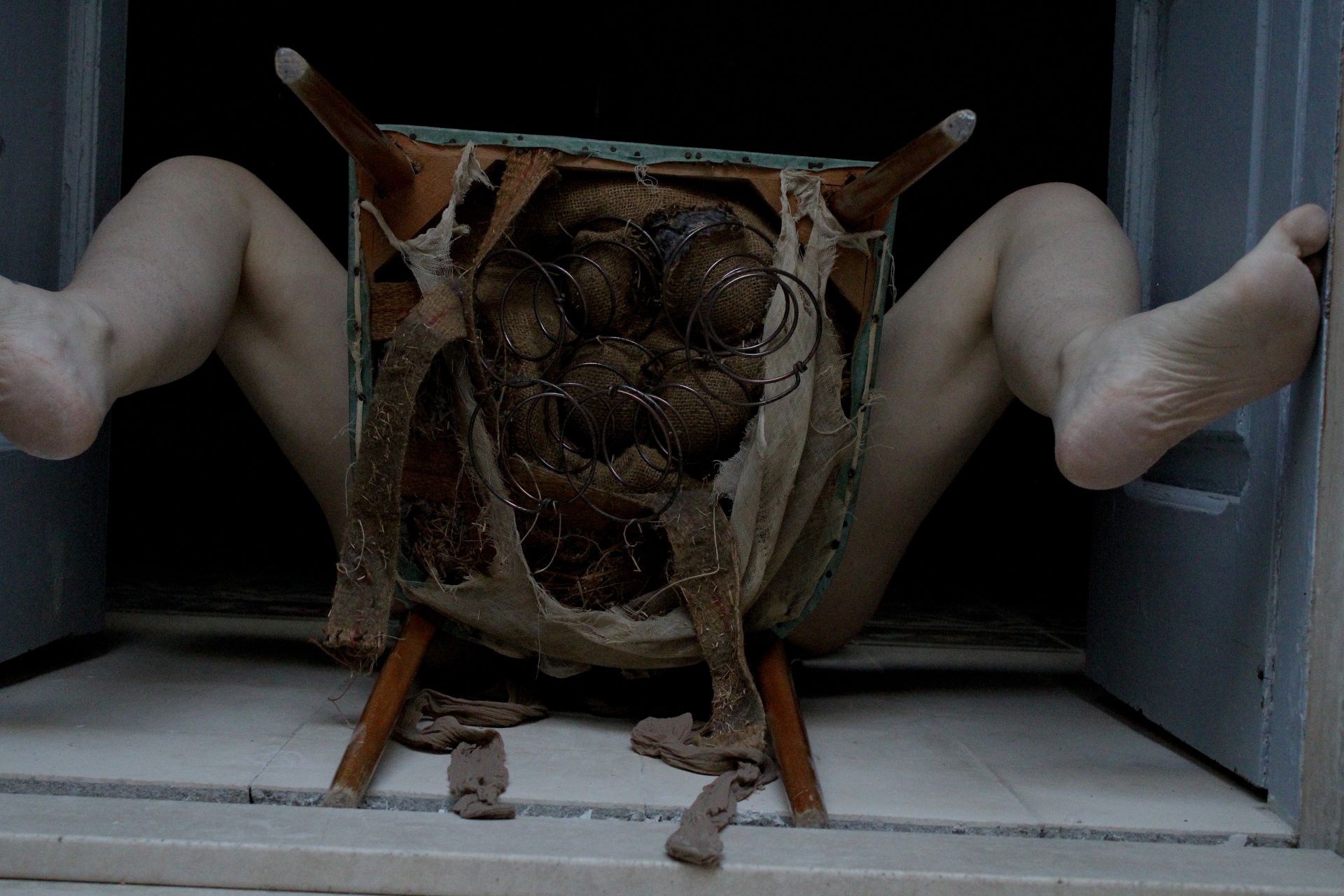
Meet Our Presenter
Patrick Jones - Course author
Dyana Gravina
Interdisciplinary artist, Curator, Birth Doula and Activist
Write your awesome label here.
Write your awesome label here.
Write your awesome label here.
Ourbirthjourney searchable archive
Are you looking for a particular topic which may have been covered by one or more of our teachers? Our searchable archive holds summaries of our classes talks and courses and allows you to find those recordings which relate to the topic you are interested in.